
The Colors Are Back
On a hidden gift, Easter afternoon, and what it means when the world comes back into focus.

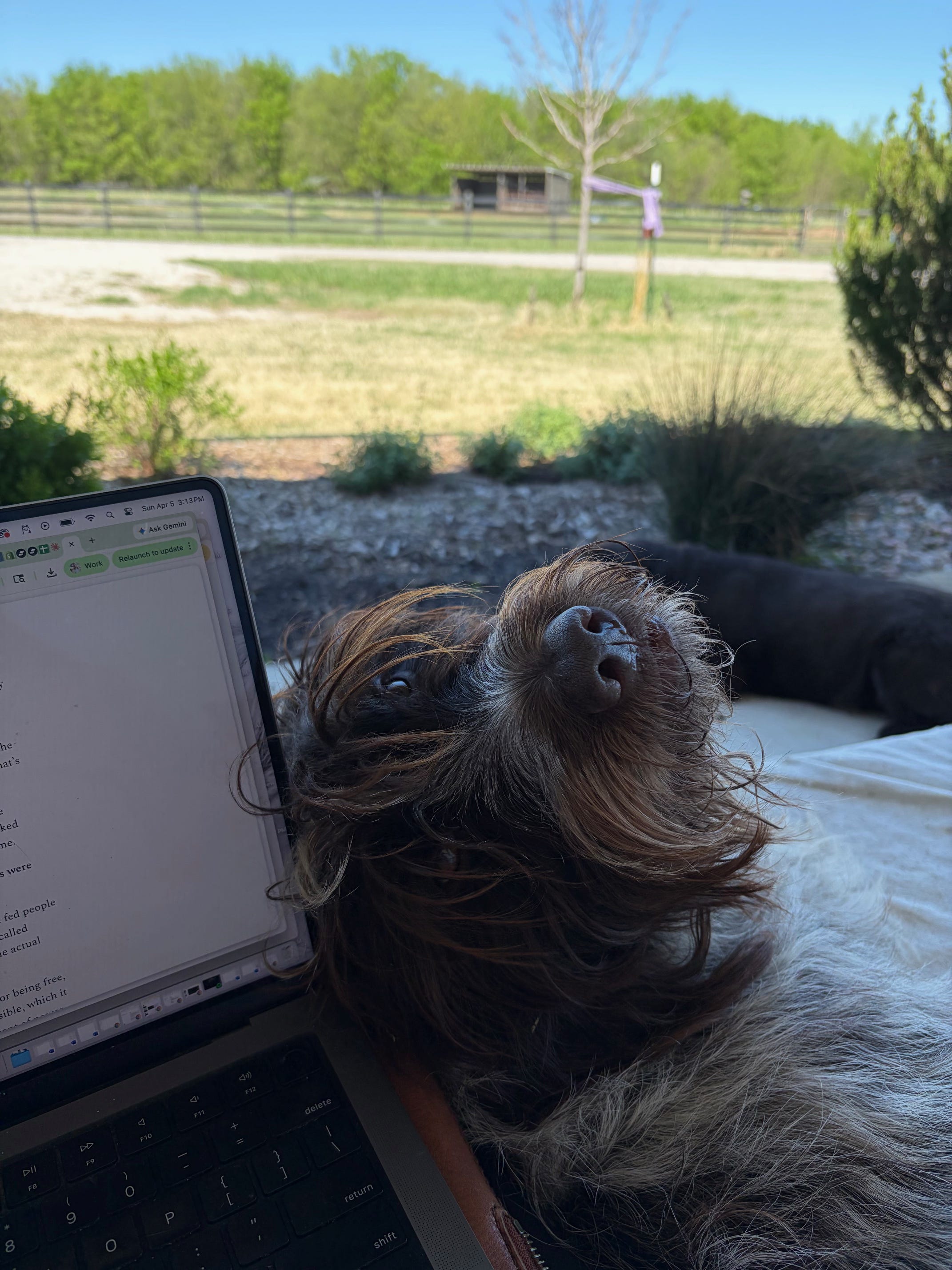
It’s Easter afternoon, and I’m writing to you from my front porch, a dog stretched across my lap, the other sunbathing, the horses in their new “spring pasture” in front of me.
Every year I think this, and every year I refute my own point: spring seemingly came out of nowhere. I’ve noticed I have my own funny little benchmarks to gauge the changing of the seasons out here. For example, I could clearly see this red barn in my woods just 72 hours ago. Today, it looks like this:
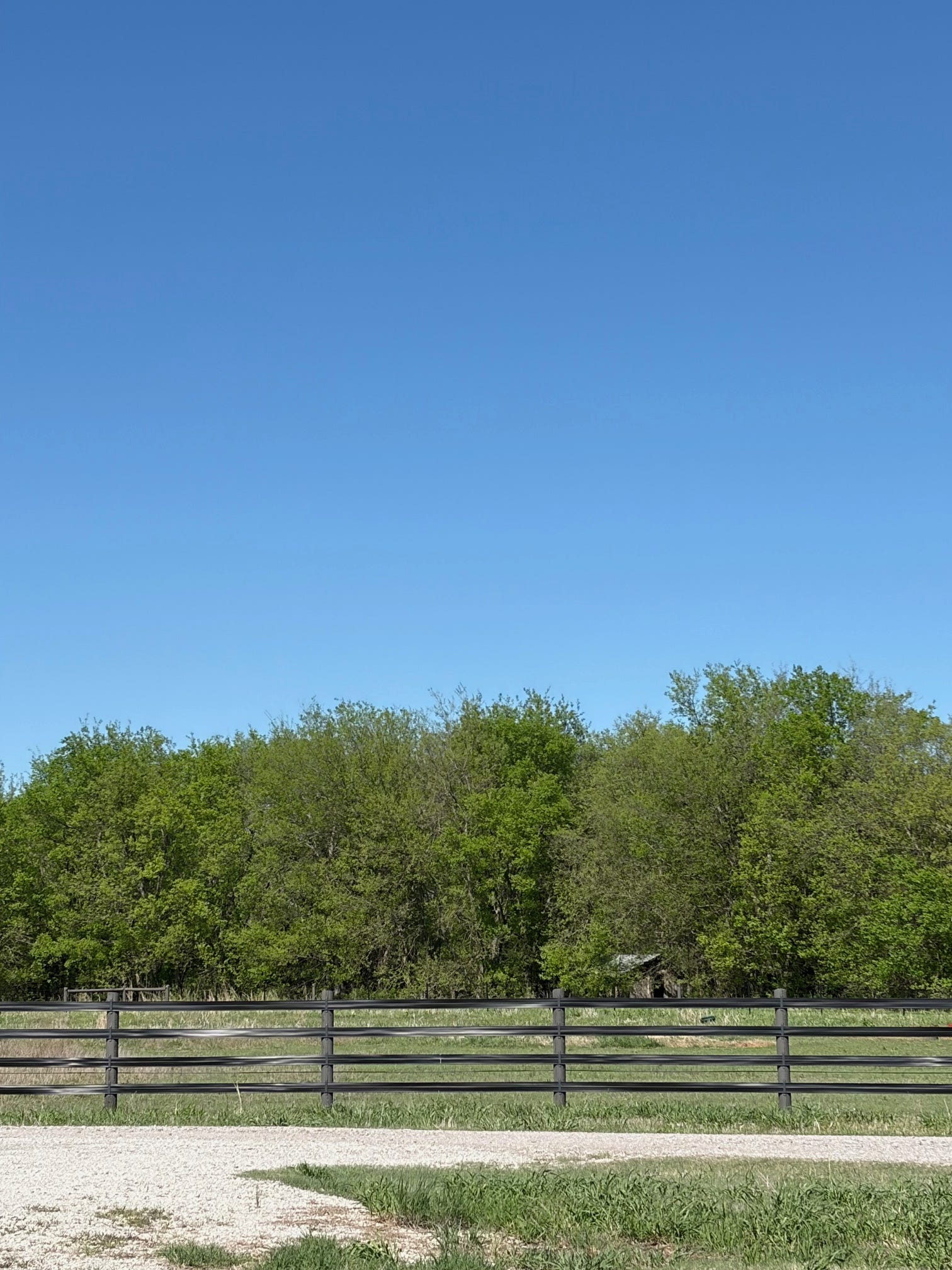
And inevitably, when summer arises and visiting friends ask what’s in the woods, I tell them about the 100+ year old homestead in the woods, which isn’t at all visible from the house.
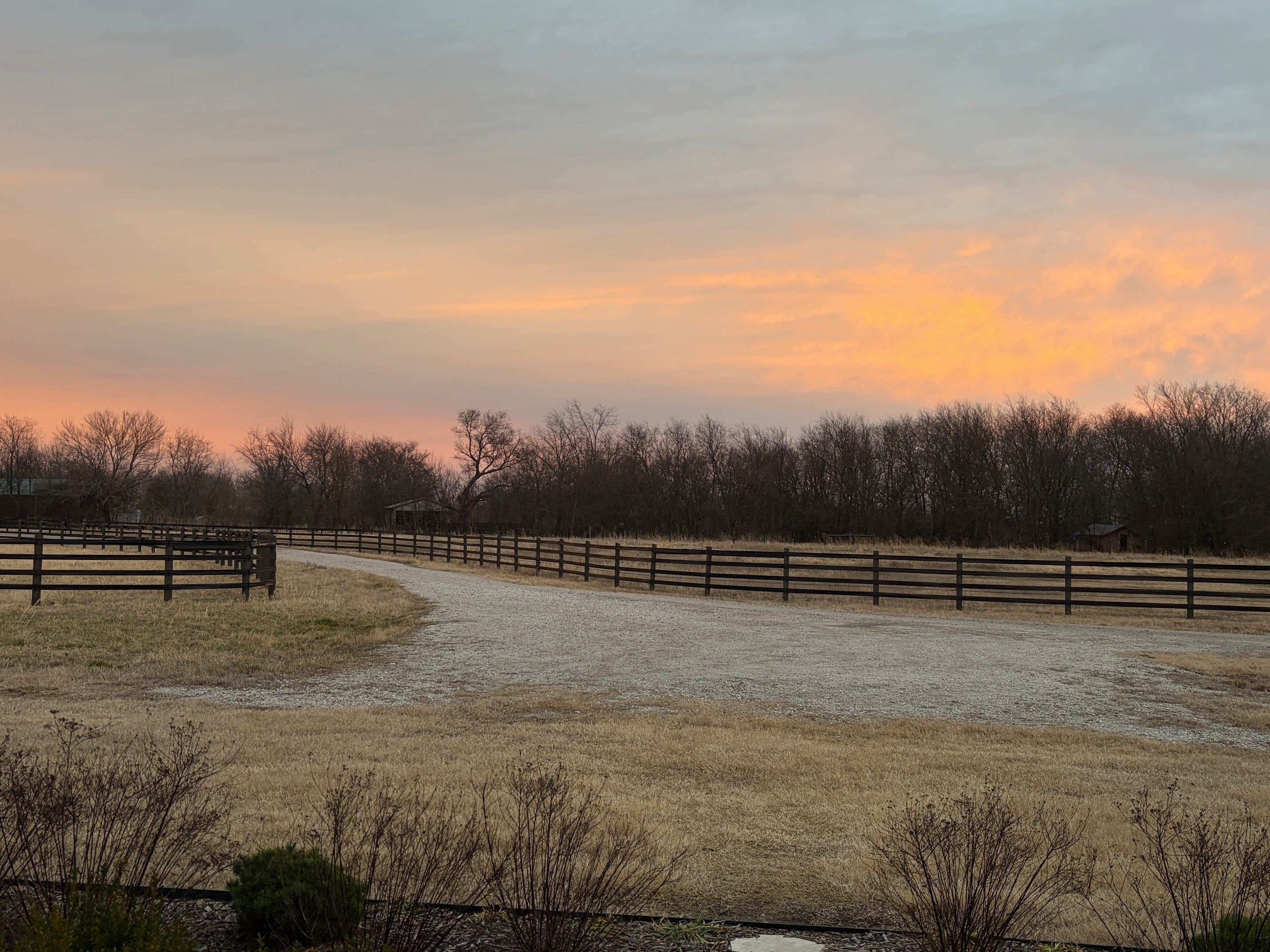
Snapped just a few weeks ago!
All of that to say, the land is waking up, and color is suddenly reappearing, just like I started to write about in this article. What I didn’t know when writing that article (specifically, speaking about how content I was in that season), was that in 24 hours, I would be met with an extraordinarily stressful situation in my other business. Sure enough, “the colors” faded for a bit. I’ll explain that in a moment.
I was able to grab lunch with a friend this week- one of those rare people whose friendships feel almost more like fellowship. A fellow attorney who also understands the ebb and flow of the stress this vocation can, and will, naturally present. Rather than lament this shared experience, we shared some of our learned practices of recalibration. Strenuous seasons, are of course unavoidable; it’s in how we frame and then navigate them.
It was no accident that God built me to be an enneagram 8 who can power through any (proverbial) brick wall in front of me, and also gave me the sneaky gift of synesthesia. Where I could (and have, so many times), soldier on entirely compartmentalizing pain or emotion, it’s like I have my own-built in governor for staying present.
Backing up: when I talk about “the colors fading”, I’m referencing my gift of synesthesia. It’s a gift I was born with; I didn’t start to realize it was unique until around high school.

There are various forms of synesthesia- the very non-scientific definition has to do with your brain “crossing wires” where senses trigger one another. For example, some people see different colors when they hear certain musical notes, or “see” different colors when they see letters or numbers. Examples throughout history include Billie Eilish & Pharrell Williams have both spoken openly about how their music has specific colors and shapes that help them create. Ironically, it was by randomly watching an interview of Pharrell in high school that I realized he was describing what I see everyday. Vincent van Gogh was believed to have “chromesthesia” (sound-to-color synesthesia). He allegedly struggled with piano lessons because each note evoked a different color. In middle and high school, I played in the band, and even 6 years into playing the saxophone, could not “read” music without the “colors” I was seeing confusing the music I was making.
You can probably see why I didn’t share about this too openly for awhile- it sounds a little wild. And it wasn’t until law school that I started to recognize this for the gift that it is.
The form of synesthesia I have is referred to as “grapheme-color synesthesia - which means that letters and numbers have colors. But it’s so much deeper than that- while yes, every “a” is red, every “e” is yellow, the colors fluctuate based on their pairings.

The best way to explain it: if asked what color the sunset is, you’d never just say “gold”, or that the ocean is just “blue”. It’s a beautiful blending of colors that fluctuates depending on how the light hits. For example, I have a niece named Elizabeth- an incredibly beautiful name “in synesthesia”- the “E” is a strong golden yellow, the “l” is a bronzy-orange, and the “z” and “b” together evoke a beautiful navy, followed by yellow, a green “t”, and a reddish-bronze “h”. That name is the color of the sunset over my pasture.
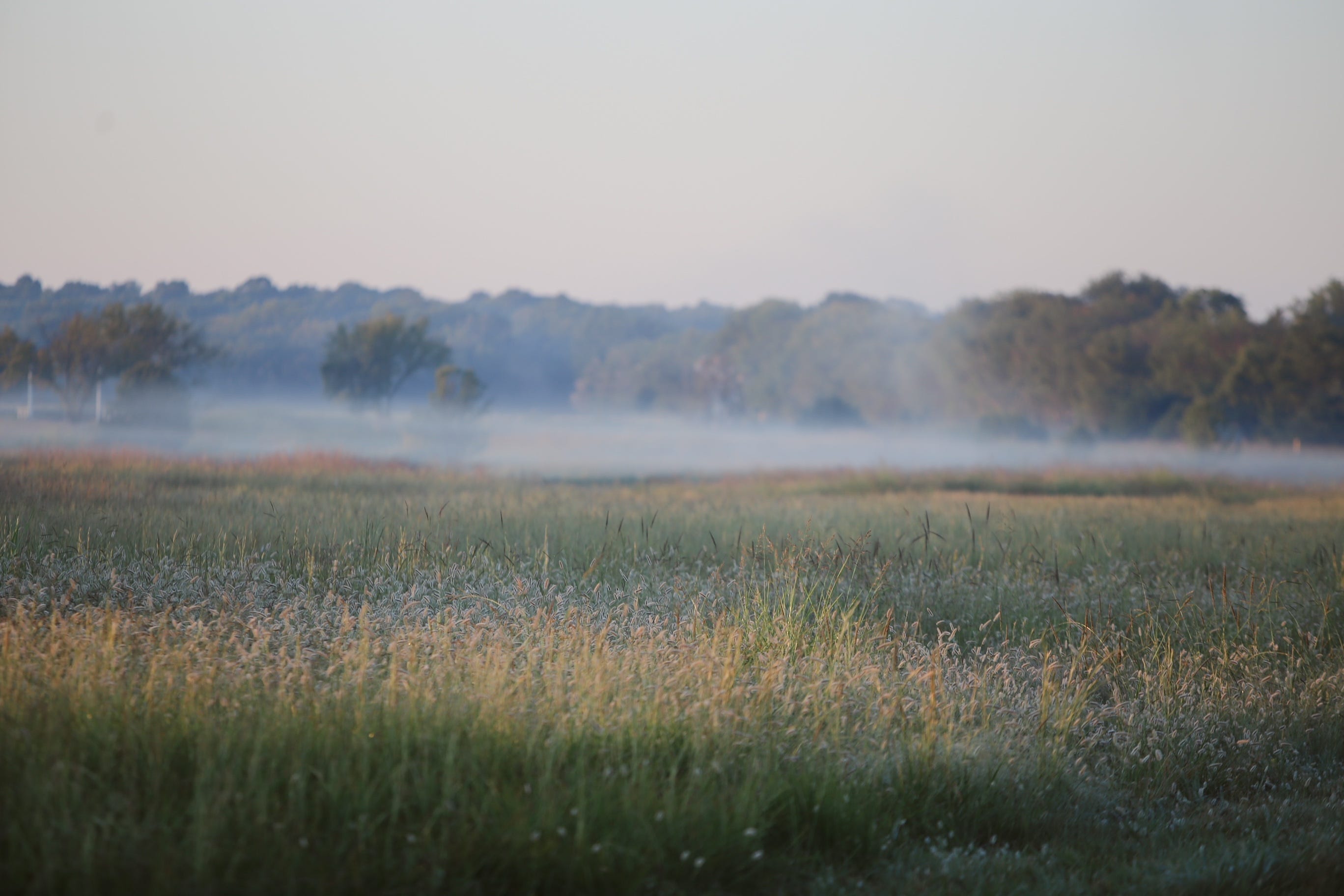
I realize how that might sound. But here’s the reason why this was one of the first article ideas I wrote on a sticky note when I started this Substack: when I read or write, it is very literally like watching a painting unfold. It’s art. This is why, when looking for a creative outlet during bar exam studying and then a terrible year of chronic illness after, I fell into calligraphy. It wasn’t accidental- it felt like art on every level.
Your brain can seamlessly accept its own architecture as normal- which is also why protecting our thoughts matters so much. Synesthesia was something I took for granted until law school, when for the first time, the colors dulled. The deeper I sank into the stress law school induces, the more black and white my world became- literally. The critical lesson I learned in that phase: the more I tried to push through, the more the colors faded.
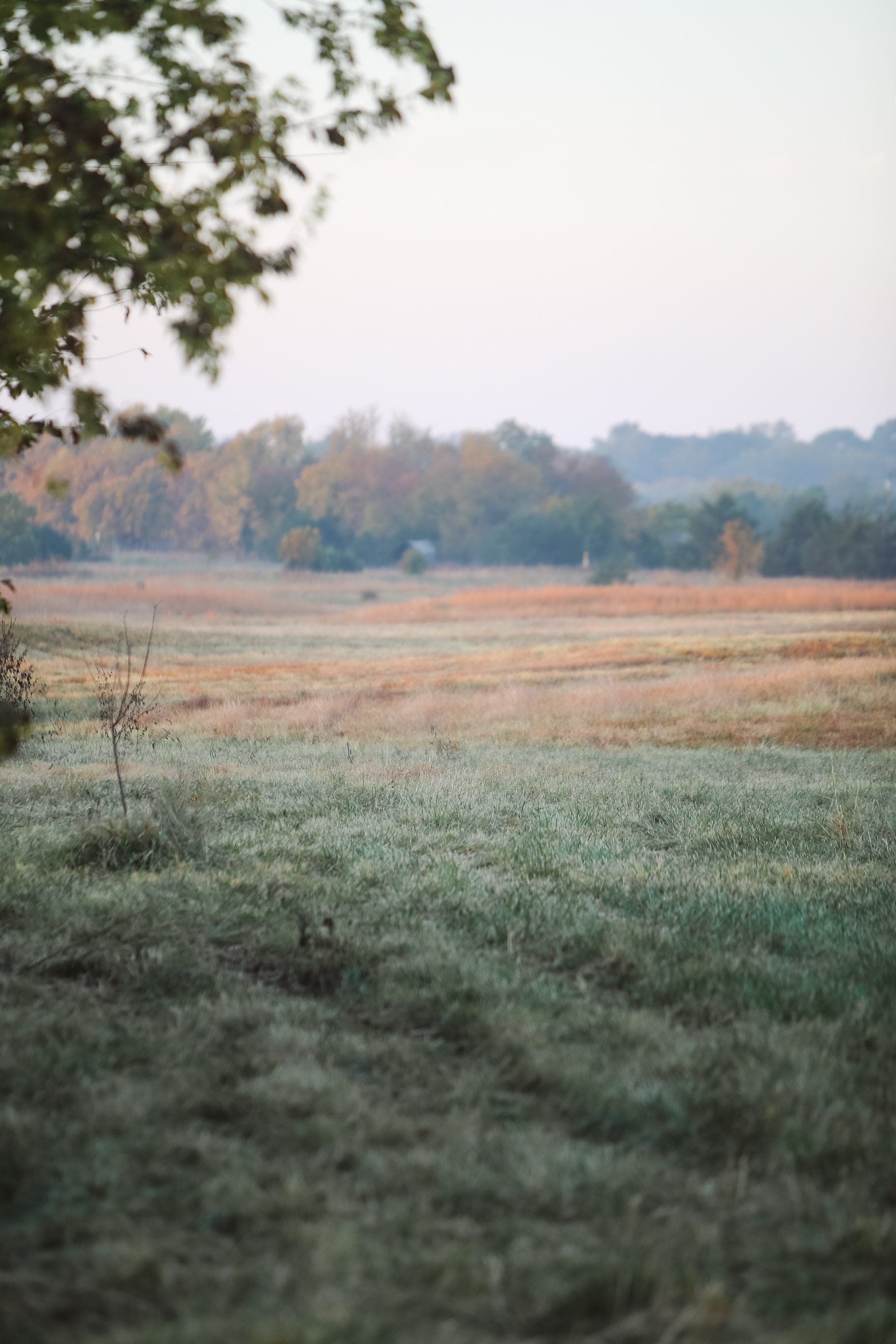
Robert Greene, in Mastery, describes a kind of heightened perception that the truly dedicated eventually develop: a state where the senses begin to bleed into one another, where stimulating one sense triggers another, where the world becomes more - richer, more layered, more dimensional - the more carefully you attend to it. He holds up “synesthetic experience” as a kind of emblem of that state. The master, in his framing, is someone who has trained themselves to perceive what others have stopped noticing. As an aside: this is one of my most recommended books. Read it, if you haven’t.
What I find most compelling in Greene’s thinking- and most convicting- is his argument about what works against that kind of perception. He suggests that modern life has a dulling effect, and I couldn’t agree more. The days that I succumb to scrolling more than I should; letting the noise of the world permeate my thinking too much- the accumulation of those days over time literally dulls the color I see. The substitution of virtual experience for embodied, physical, sensory engagement with the world. He calls it, essentially, sleepwalking- a state in which we are technically present but effectively absent, moving through life without the quality of attention that makes it feel like anything.
Synesthesia, in that light, is the opposite of sleepwalking. It is what happens when I’m grounded and carry a loose grip on what the day presents. It’s one reason out of a thousand that I’ll always choose to start and end my days outside with the horses- when I show up to work and the colors on the page are vivid, my best work happens.
I read an article from Alabaster this week put into words better than I could: our grief, our pain is justified, but it need not have the final say.
It was written in the context of Good Friday, and what it truly means to sit with a Friday before rushing to Sunday. The temptation, the writers observe, is always to skip the cross- to absorb the crucifixion as a plot point on the way to resurrection, rather than as something that demands to be inhabited. Pain is not a detour from the full life. It is part of the texture of it.
What struck me was the quiet permission in it. Not every hard season resolves on our timeline. Sometimes we are required to sit in the Saturday- that strange, in-between stillness after the grief but before the dawn. And in the context of synesthesia: if the colors don’t automatically come back, that is not a failure. Color doesn’t return like a light switch. Sometimes we have to wait for our Sunday. But, critically: we can be intentional about creating the conditions to get there.
Ecclesiastes understood this tension long before we needed permission to name it. A time to grieve, and a time to dance. Not one or the other. Both, in their season, with their full weight.
I didn’t rush past my own midwinter this year. This wasn’t virtue; it was more like necessity. After the merger, after the ego death I wrote about in February, the easiest thing in the world would have been to manufacture resolution. To gloss over the season like everything was normal, call it strength, and keep powering forward.
I didn’t, partly because I couldn’t, and partly because I’ve been through enough identity-shift seasons to know that the stripping has its own purpose. The trees are not failing when they lose their leaves. They are conserving. Preparing. Sitting in their “Saturday”.
But here’s how I knew, in my heart of hearts, that this seachange season was the right one: the colors came back. Even before I got out of the awkward ego death season of midwinter - before I crossed any finish line, or received external confirmation that the merger had been right, or built something new enough to justify the shedding of the old. Even in the midst of a terribly stressful ending to February, the colors came back, as I sat in that season, and stopped fighting.
Even though I’ve wanted to write about synesthesia for years, I think there’s a reason it’s this Easter Sunday that I’m finally putting pen to paper.
The message of Easter isn’t that pain didn’t or won’t happen. Not that the Friday wasn’t real, or that the death wasn’t a death. It’s that what we are able to perceive- what we have the capacity to receive- on the other side of sitting with it honestly is different from what we could have manufactured by skipping to the end.
The disciples on the road to Emmaus walked beside the risen Jesus for miles without recognizing him. Their eyes were kept from seeing. And then something shifted- a gesture at a table, a breaking of bread- and suddenly they could see what had been there all along. The presence that had accompanied them the entire walk. The resurrection that was already a fact before they had eyes for it.
Friday. The stillness of Saturday. The glory of Sunday.

In a small way, something about Easter weekend reminds me of synesthesia. The colors don’t flip on automatically. Like any other enriching endeavor, it takes recognition, a quiet waiting period, and then- slowly- the colors start to reappear. The principle it points to: that beauty and meaning and redemption are present in ways we cannot always perceive or manufacture, and that the capacity to receive them must be cultivated, protected, and sometimes simply waited for. That feels like it matters beyond me.
Greene’s remedy for “the dulling” we all experience is discipline: the deliberate, daily practice of attending to the world with full presence. My own version of that is simple. A camera in hand for the morning sunrise. A few words written down- what was true, honorable, pure, and lovely about the day. It is not complicated. It is just the practice of training the eye.
Most of the world doesn’t have synesthesia. But I suspect most of us have something- some quieter signal, some recurring sense of aliveness or its absence, some version of the colors fading that you’ve noticed but not named. The question Greene is really asking, and the question Easter is really asking, is whether you’re paying attention. Whether you’ve slowed down enough to notice.
Whether you’ve been willing to sit in the Friday and Saturday long enough to have eyes for Sunday.
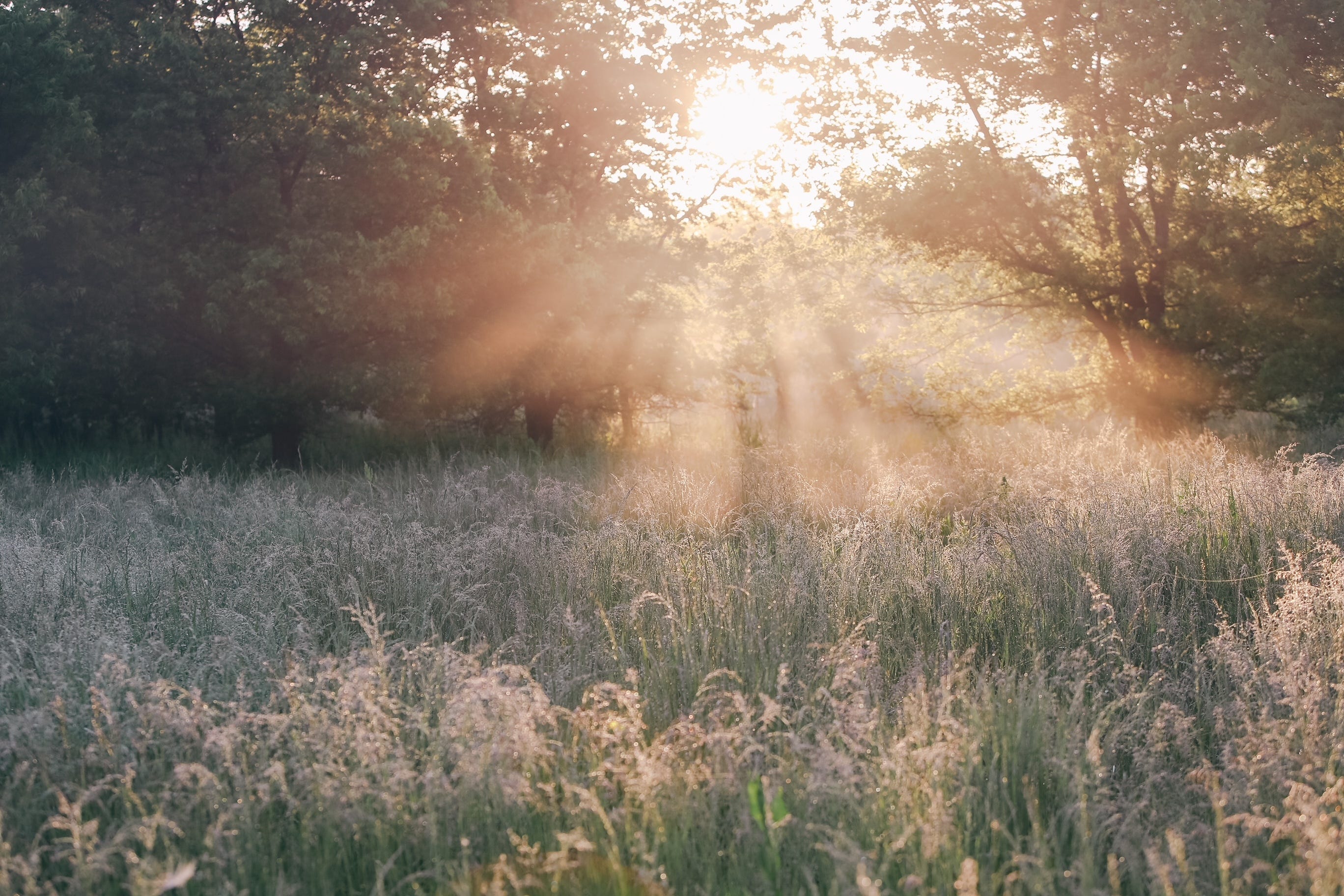
I’ve been wanting to write this for a long time, and I’m glad I waited until today. There’s something honest and true about writing about recalibrated perception on the afternoon of the day the world sets aside for the return of color.
Spring is evident from every angle of the porch.
The colors are back.
I am so happy for you Paige <3
And ever since you told me, I tell so many ppl my friend can read in color 🌈